Repeated settlement
A section sinks again after a surface-only levelling attempt.

Correct the cause beneath the pavers
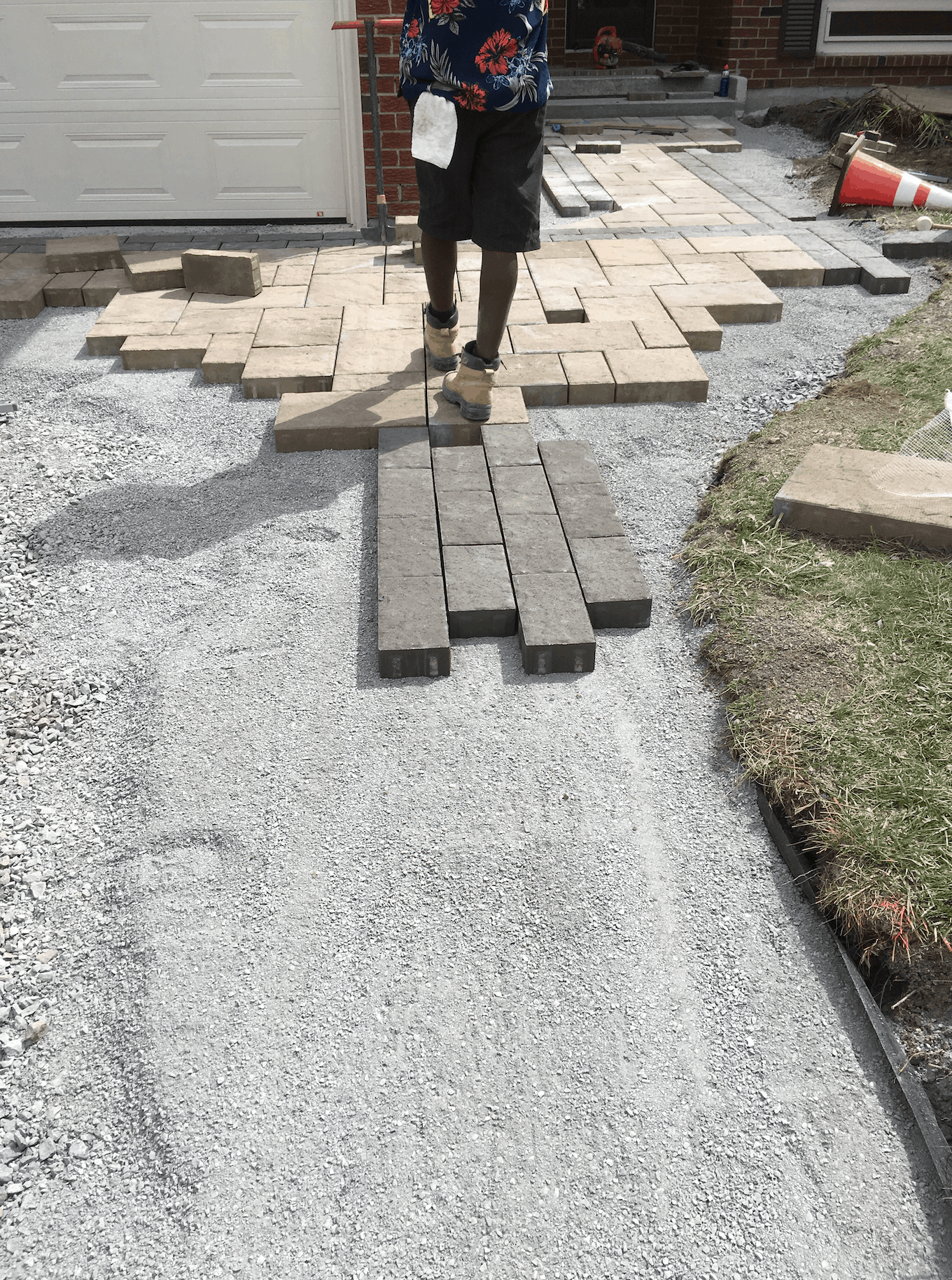
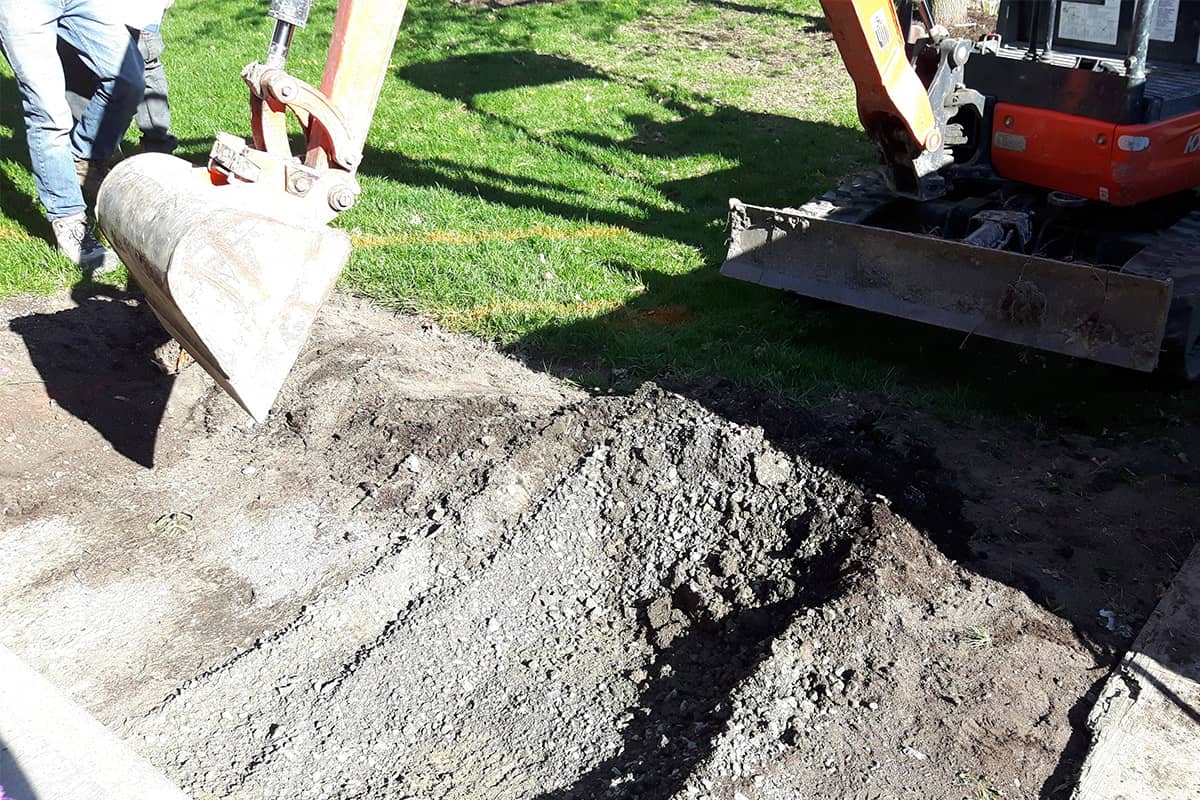
We identify why the surface moved, rebuild the failed support and relay reusable pavers over a properly prepared base.
Long-term support
Base depth, aggregate selection, compaction, grading and edge support all influence how an interlock surface performs through Ottawa freeze-and-thaw cycles.
Foundation repair makes it possible to correct the failed area while preserving pavers that remain in good condition.
Ask about your repairWhat to look for
A visible change in the surface can point to a problem with support, restraint or drainage beneath it.
A section sinks again after a surface-only levelling attempt.
Several pavers rotate, spread or change elevation together.
The perimeter moves because the base or restraint no longer holds it.
Water enters or washes through the supporting layers beneath the pavers.
The repair process
Every repair begins with the condition beneath the surface—not with a coating or cosmetic shortcut.
Review settlement, drainage, grade, edge support and the affected footprint.
Remove and organize sound pavers so the original surface can be rebuilt.
Replace weak material and compact the repaired foundation in controlled layers.
Relay the pavers, confirm the grade and complete the joints and edges.
Foundation before finish
Cosmetic work cannot compensate for missing depth, loose aggregate or an unstable edge. The supporting structure must be corrected first.
Common questions
Send photos and a short description if you are unsure which repair applies.
The pattern and extent of movement provide clues, but the exact condition becomes clear after affected pavers are lifted and the supporting layers can be inspected.
Yes, when the pavers are sound. Reusing them preserves the existing pattern and keeps the repair focused on the failed support.
No. The repair footprint should follow the actual failure. A stable surrounding area may not need to be disturbed.
When water movement contributed to the failure, drainage and grade should be addressed as part of the foundation repair.
Keep the pavers. Fix the problem.